
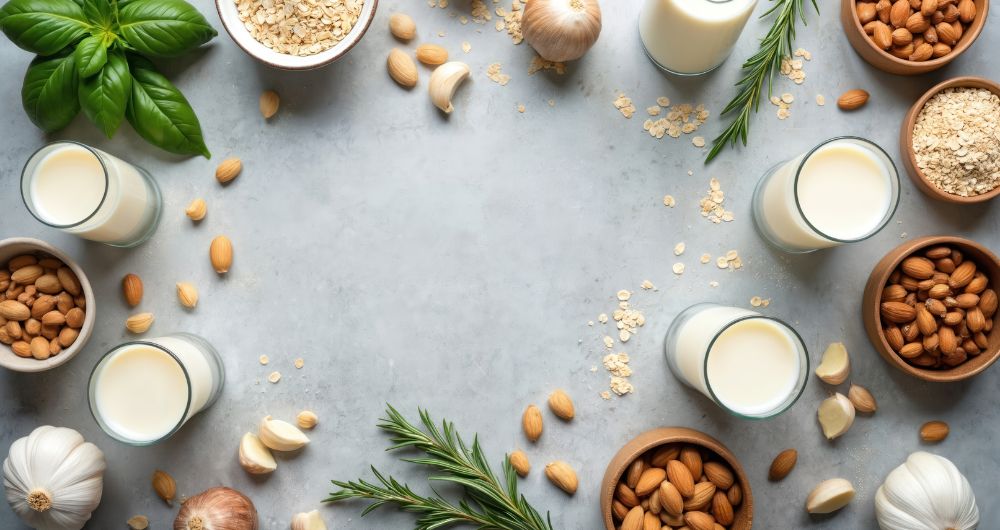
Incorporating Soy-Free Protein into Your Diet
Fuel Your Body with Clean, Plant-Based Power
Getting enough protein is essential for maintaining muscle, supporting metabolism, and staying energized throughout the day—especially if you're active or following a plant-based lifestyle. For those looking to avoid soy due to allergies, dietary preferences, or concerns about GMOs, there are plenty of soy-free protein options that are both effective and delicious.
At EVRFit Edge, we believe clean nutrition should never feel like a compromise. That’s why we’re breaking down simple, practical ways to incorporate soy-free protein into your daily meals—whether you're a busy professional, athlete, or health-conscious individual.
Why Go Soy-Free?
Soy is a common plant protein, but it’s not the right choice for everyone. Many people avoid soy due to:
• Allergies or sensitivities
• Hormonal concerns (due to phytoestrogens)
• GMO and processing worries
• Desire for dietary variety
Thankfully, soy isn’t the only way to get high-quality plant-based protein. There are nutrient-rich, soy-free alternatives that can easily fit into your routine.
1. Blend It Into Your Smoothies
One of the easiest and tastiest ways to add soy-free protein to your diet is through smoothies. Simply add a scoop of EVRFit Edge Soy-Free Protein Powder to your favorite smoothie recipe.
Try blending:
• 1 banana
• 1 scoop EVRFit Edge protein
• 1 cup almond milk
• Handful of spinach or kale
• 1 tbsp almond butter
This combo delivers protein, fiber, healthy fats, and greens—all in one satisfying shake.
2. Grab a Soy-Free Protein Bar
On busy days, soy-free protein bars are a quick, no-prep option. Look for bars that are made with pea protein, brown rice protein, or nut butters for a cleaner source of plant-based fuel.Pro Tip: Pair your bar with a piece of fruit or a handful of nuts for a well-rounded mini-meal.
3. Boost Everyday Recipes
Soy-free protein can be easily added to your favorite recipes without sacrificing flavor or texture. Try these simple ideas:
Oatmeal: Stir in EVRFit protein powder after cooking for a high-protein breakfast.
Pancakes or muffins: Swap a portion of the flour with protein powder to make breakfast treats more filling.
Energy balls: Combine oats, nut butter, seeds, and soy-free protein for a nutritious snack.
These recipes are ideal for meal prep and perfect for families or individuals on the go.
4. Eat More Whole Food Protein Sources
Don’t underestimate the power of whole, plant-based foods. These soy-free options are packed with protein and other vital nutrients:
• Lentils – Great in soups, curries, and salads
• Quinoa – A complete protein, ideal for bowls or side dishes
• Chickpeas – Use in stews, roasted for snacks, or blended into hummus
• Black beans & kidney beans – Versatile and fiber-rich
• Nuts & seeds – Add crunch and protein to meals or eat as snacks
Balancing your diet with a variety of these ingredients ensures you're getting all the essential amino acids your body needs.
5. Keep Protein Convenient with EVRFit Edge
At EVRFit Edge, we make plant-powered nutrition easier with our soy-free protein powder designed for real life. Whether you're refueling after a workout or powering through a workday, our formula delivers:
• Clean ingredients
• No soy, dairy, or gluten
• Great taste and texture
• Zero artificial flavors or sweeteners
It’s the ultimate solution for those who want effective, allergen-free protein without compromise.
How Much Protein Do You Really Need?
Protein needs vary depending on age, activity level, and goals, but a general rule of thumb is:
Sedentary adults: 0.8g of protein per kg of body weight
Active individuals or athletes: 1.2–2.0g per kg
Soy-free protein powders make it easier to hit your daily goals, especially when you're busy or on the move.